The Value of Comprehensive Dementia Care Services for Family Members
Quality memory care services play an indispensable responsibility for families facing the nuances of dementia. These supports furnish adapted support that addresses both the needs of clients and their caregivers. By enabling safety, comfort, and human bonds, quality care helps to lift feelings of isolation. However, not all care establishments are uniform. Grasping what to look for can greatly impact the well-being of those affected. What vital qualities should families stress?
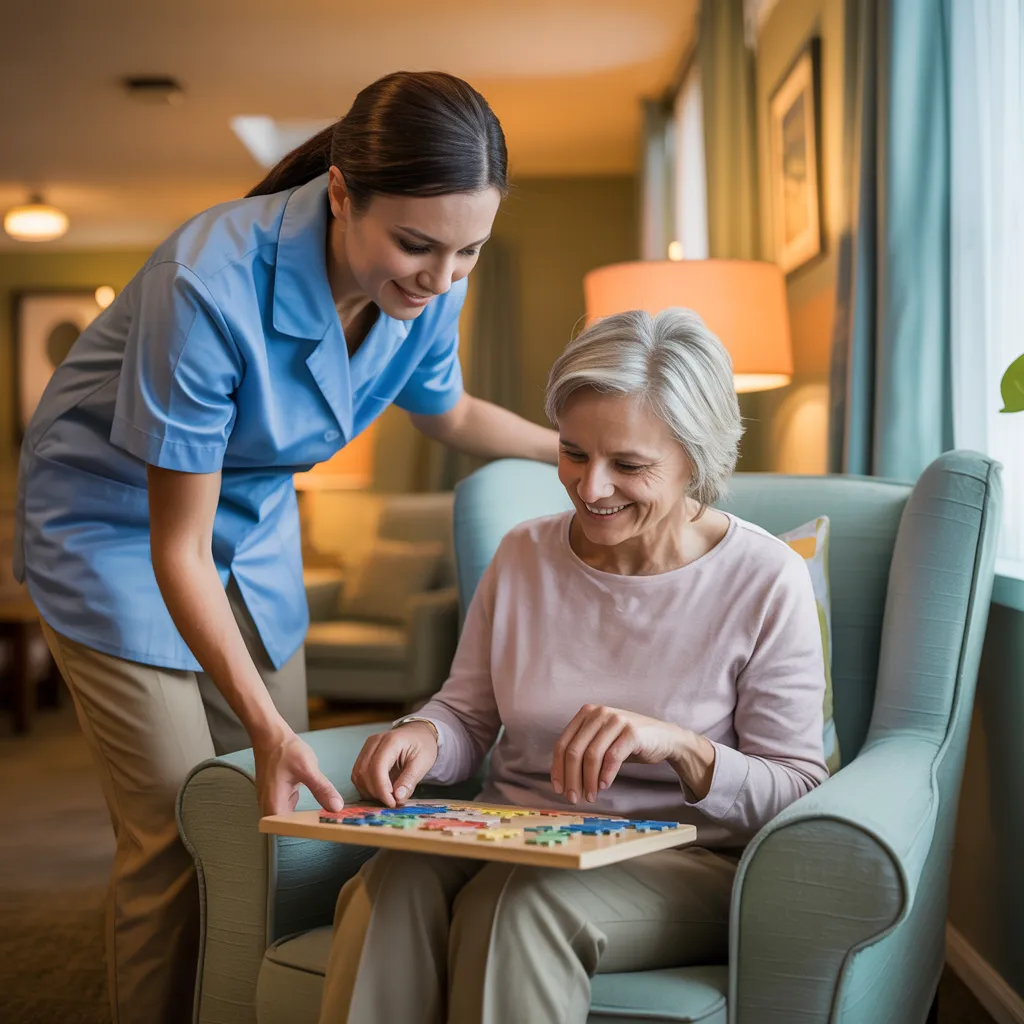
Dementia: Hurdles and Answers
Dementia constitutes a intricate set of challenges for people, families, and caregivers alike. The mental regression tied to dementia influences memory, reasoning, and daily functioning, complicating routine tasks and heightening reliance on others. Families frequently contend with the psychological strain of witnessing their loved ones' decline, leading to feelings of helplessness and frustration. Caregivers deal with the burden of managing physical care while handling the unpredictable behaviors connected to the condition.
To handle these difficulties, quality memory care services provide organized settings created to enhance the quality of life for people suffering from dementia. Such programs typically encompass specialized training for personnel, customized engagement activities, and therapeutic interventions aimed at preserving mental abilities. Additionally, these establishments provide relief for loved ones, allowing them to refresh while guaranteeing their family members get suitable support. In the end, successful approaches can considerably reduce the challenges associated with dementia, fostering a caring environment for all involved.
Emotional Support for Family Members
Looking after a loved one struggling with cognitive decline can cause major emotional distress on families. The demands of daily caregiving responsibilities often causes feelings of isolation, anxiety, and grief. Loved ones may grapple with the slow decline of their loved one's personality, creating a deep sense of anguish. This mental toll can effect not only the primary caregiver but also brothers, sisters, and extended relatives, leading to strained relationships and increased tension.
Attaining mental assistance is vital for groups navigating through these challenges. Support groups, therapeutic support, and community resources can furnish an forum for sharing encounters and employing coping strategies. Engaging with others who understand comparable struggles cultivates a feeling of inclusion and diminishes sense of loneliness. Ultimately, prioritizing mental health is essential for groups, as it enables them to give caring support while also upholding their own mental health.
Why Dedicated Brain Health Care Is Important
Specialized memory care plays an indispensable role in enhancing the standard of living for individuals dealing with cognitive decline. These programs are designed to meet the unique requirements of residents with conditions such as Alzheimer's or other forms of dementia. Trained caregivers understand the complexities of cognitive impairments and implement tailored approaches that promote participation and comfort.
In a tailored environment, residents benefit from structured routines that help alleviate stress and confusion. Activities are deliberately planned to enhance cognitive function and foster social interaction, building a sense of community. Additionally, the focus on safety and security assures that individuals can explore their surroundings without unnecessary risks.
Families commonly achieve comfort knowing their loved ones are receiving focused assistance in a supportive atmosphere. Overall, dedicated cognitive care not only fulfills physical needs but also nurtures emotional well-being, making it a key component of care for those experiencing cognitive decline.
Key Elements to Review in Memory Care Facilities
When assessing memory care facilities, what important features should households emphasize? Most importantly, safety measures are paramount. Facilities should create safe zones that prevent wandering, with features like gated outdoor areas and supervised access. Likewise, staff-to-resident ratios are important; increased staffing levels often show more personalized care and focus.
Afterward, households should review the qualifications and training of attendants. Team members should be trained in cognitive decline management, making sure they recognize the unique needs of occupants. Programming and activities designed to stimulate mental performance and social interaction also matter greatly, as they improve quality of life.
Furthermore, relatives should copyrightine the cleanliness level and ambient environment. A cordial setting can substantially impact residents' well-being. Finally, openness concerning costs and services is important, enabling families to decide with confidence. By focusing on these vital characteristics, relatives can choose the best memory care facility for their family members.
The Way Quality Memory Care Maximizes Dignity and Comfort
High-quality memory care programs emphasize dignity and comfort through tailored approaches that meet personal requirements. Customized care plans, combined with compassionate team engagement, create a nurturing atmosphere for residents. Furthermore, secure and stimulating environments promote a feeling of community and well-being, enhancing the general quality of life.
Tailored Personal Care Plans
Personalized care plans play a crucial role in supporting the dignity and comfort of individuals in memory care facilities. These custom-made approaches address each resident's unique history, preferences, and cognitive abilities, making sure care is effective but also respectful. By involving families in the development process, facilities promote a collaborative environment that values the individual’s needs and wishes. This personalization improves the sense of identity and autonomy, letting residents engage in activities that reflect their past experiences. Additionally, personalized care plans can evolve over time, meeting changing needs and preferences. Such attention to individuality greatly enhances quality of life, encouraging emotional well-being and a sense of belonging within the care community.
Considerate Staff Connection
Successful memory care depends not only on tailored care programs but also on kind relations between staff and residents. These interactions build an atmosphere of trust, necessary for individuals experiencing memory loss. Caring caregivers approach each resident with empathy, understanding their unique histories and emotional needs. Through engaging in meaningful conversations and showing patience, these caregivers enhance the dignity of each individual, ensuring they feel acknowledged and understood. This approach not only soothes anxiety but also fosters a sense of belonging, important for emotional well-being. In the end, quality memory care thrives when staff prioritize compassionate engagement, turning care from a routine task into a nurturing experience that prioritizes comfort and respect.
Trustworthy, Fascinating Venues
Building a secure and stimulating environment is vital for supporting dignity and comfort in memory care facilities. Top memory care centers focus on secure surroundings, minimizing risks linked with wandering or accidents. Carefully planned spaces encourage independence, enabling residents to move freely while feeling safe. Activities that are engaging act now and personalized to individual interests stimulate cognitive function and build social connections among residents. These environments promote participation, decreasing feelings of isolation and boosting overall well-being. Moreover, the atmosphere should project warmth and familiarity, incorporating personal touches that connect with the history of each resident. By combining safety with engagement, memory care services not only preserve individual dignity but also offer a comforting space where residents can thrive despite their challenges.
Why Community Engagement Is Important for Alzheimer's Care
Community support plays an essential role in upgrading memory care services by fostering deep bonds and bonding among individuals. Access to supplies within the community can markedly enhance the excellence of care, extending important tools and information. In addition, enhanced social interaction opportunities contribute to the overall wellness of those concerned by memory challenges.
Emotional Bond and Bonding
Emotional connections serve as a cornerstone in memory care, fostering an environment where individuals are valued and understood. In memory care settings, community support cultivates meaningful connections among residents, caregivers, and families. These bonds not only enhance emotional well-being but also promote a sense of belonging. When caregivers engage with empathy with residents, they create a safe space for sharing feelings and experiences, which can alleviate feelings of isolation. Additionally, group activities and social interactions motivate residents to connect with one another, reinforcing their sense of identity and purpose. This emotional foundation greatly impacts the overall quality of care, as individuals thrive when they feel connected, ultimately leading to improved cognitive function and a better quality of life.
Access to Resources
Having access to support plays a key role in advancing memory care services, deepening the strong emotional connections formed among residents and caregivers. Community support provides essential tools and information that empower families in making wise decisions about care options. Local organizations frequently offer educational workshops, respite services, and support groups, which can reduce the burden on caregivers and boost their understanding of dementia-related challenges. Access to experienced professionals, such as social workers and therapists, further enriches the care experience. Furthermore, collaboration with nearby healthcare facilities assures that residents receive thorough and coordinated care. Overall, a strong network of community resources fosters a nurturing environment that greatly improves the quality of life for individuals with memory impairments and their families.
Improved Community Engagement
How can improved community interaction improve the wellbeing of individuals with memory impairments? Engaging socially within a supportive community provides emotional and cognitive benefits that are essential for those dealing with memory challenges. Involvement in group activities fosters connections, reducing sense of being alone and disconnected. These interactions stimulate mental performance, preserving existing skills and potentially slowing cognitive decline. Additionally, community support encourages a feeling of acceptance, which can greatly improve emotional state and general health. Memory care facilities that prioritize social engagement create environments where people can forge meaningful relationships, improving standard of living. This communal approach not only benefits residents but also gives families with reassurance, knowing their loved ones are thriving in a nurturing atmosphere.
Long-Term Gains of High-Quality Memory Care
While many families may initially seek memory care services primarily for immediate support, the long-term gains of quality memory care extend far beyond short-term relief. These services not only provide essential daily assistance but also build a structured environment that facilitates cognitive engagement and emotional well-being. Through specialized programs and therapeutic interventions, residents can demonstrate improvements in memory retention and overall mental health.
In addition, quality memory support services advances a communal feeling, reducing sensations of loneliness and concern often attributed to memory disorders. This supportive atmosphere benefits families by easing worry and providing peace of mind, knowing their loved ones are in trustworthy care. Moreover, trained specialists can offer ongoing guidance, helping families navigate the complexities of dementia care. Ultimately, putting resources into quality memory support solutions yields impressive advantages, enhancing the quality of life for both individuals with memory impairments and their families over the long term.
Frequently Raised Questions
What Are the Methods to Detect Beginning Signs of Memory Challenges?
Preliminary signs of memory problems can include regular forgetfulness, trouble keeping up with discussions, losing track of possessions, having trouble remembering what just happened, and shifts in emotional state or conduct. Observing these warning signs may warrant a medical assessment for further assessment.
What Costs Are Connected to Memory Care Services?
Costs linked to memory care services vary widely, typically spanning $3,000 to $7,000 monthly. Factors affecting pricing include location, facility amenities, and the degree of personalized care required for each individual.
How Do I Choose the Right Memory Care Community?
Finding the suitable memory care facility necessitates analyzing available alternatives, viewing locations, copyrightining staff expertise, assessing safety measures, evaluating patient engagement, and respecting family perspectives, verifying the facility addresses the individual's particular needs and preferences.
What Tasks Do Caregivers Take On in Dementia Care?
Caregivers deliver important assistance in memory care by giving emotional support, aiding with daily routines, and developing personalized care plans. Their training and compassion greatly elevate the well-being for individuals with memory impairments.
Do Memory Care Services Support Different Stages of Dementia?
Cognitive care services can effectively accommodate diverse stages of dementia by tailoring support and therapies to individual needs. This adjustability confirms residents benefit from proper care, strengthening their overall wellness throughout the trajectory of the illness.
|Alzheimer's and Dementia Care: Customized Memory Care Solutions
Memory care programs play an important role in supporting individuals with Alzheimer's and dementia. These specialized programs concentrate on enhancing quality of life through customized treatment approaches and trained staff. They create safe environments that promote cognitive engagement and social interaction. Understanding the essential features of these services can help families navigate the complexities of care. What specific elements contribute to their effectiveness, and how can families best engage in this journey?
Understanding Memory Care Solutions and Their Benefits for Families
What exactly constitute memory care programs, and in what ways can they assist families managing the difficulties of mental deterioration? Memory care programs are specialized programs developed to support persons with Alzheimer's disease, dementia, and other mental conditions. These offerings deliver a structured environment customized to address the distinct requirements of residents, fostering safety, engagement, and respect.
Families commonly face emotional and practical difficulties when caring for family members experiencing cognitive decline. Memory care facilities offer assistance through trained staff who understand the complexities of these disorders. This encompasses developing personalized care plans, overseeing proper medication administration, and promoting meaningful social engagement.
The environment in dementia care settings is intentionally created to reduce confusion and promote independence, enabling individuals to participate in purposeful pursuits. By providing relief for caregivers, memory care services enable loved ones to focus on their well-being while being assured their loved ones are in a secure, caring setting.
Core Features of High-Performing Memory Care Initiatives
Successful memory care programs integrate several important elements that boost the standard of living for residents. First, customized care approaches are critical, as they resolve each resident's unique needs, preferences, and challenges. These plans are consistently modified to reflect any modifications in wellness. Additionally, experienced caregivers offer targeted care, ensuring that caregivers understand the complexities of Alzheimer's and dementia.
Additionally, engaging in activities designed to boost mental performance and encourage social interaction are critically important. Initiatives commonly include brain training, creative activities, and music therapy, building a sense of community within the participant group. Safe and secure settings are equally vital, allowing residents to traverse without restriction while lowering the risk of accidents.
At the end, family involvement is recommended, creating a supportive network that helps residents feel connected. Together, these features lead to a comprehensive system that prioritizes dignity, comfort, and well-being.
In What Ways Do Memory Care Areas Advance Security and Comfort?
Memory care environments are created with many protective measures that markedly enhance residents' comfort and general welfare. These facilities generally include secure layouts that reduce confusion and wandering, guaranteeing that residents can navigate without the danger of becoming disoriented. Non-skid surfaces, grab bars, and brightly illuminated common areas additionally add to a safe atmosphere.
In addition, memory care settings typically apply calming colors and familiar decor to create a soothing ambiance. This strategic design alleviates anxiety and strengthens a feeling of home. Outdoor spaces are crucial, granting residents time in natural settings, which studies show lift spirits and total well-being.
Emergency emergency frameworks and staff trained in safety protocols assure that help is conveniently accessible when needed. By focusing on these elements, memory care environments prioritize the safety and comfort of residents, allowing them to thrive in a warm environment tailored to their unique needs.
Why Certified Workers Deliver a Improvement in Memory Care
While the physical space functions as an critical role in elderly care, the skill set and kindness of trained staff are equally important to advancing residents' life satisfaction. Trained professionals understand the nuances of Alzheimer's and dementia, implementing specialized techniques to engage effectively with residents. Their ability to spot distinct preferences allows for individualized treatment, fostering a sense of security and trust.
Additionally, team members are equipped to manage difficult conduct, using compassion and understanding to reduce possible emergencies. They create stimulating programs customized to residents' interests, promoting cognitive stimulation and social interaction. Continuous training guarantees that employees stay current on best practices and innovative approaches in memory care.
This information not only improves the mental health of residents but also offers families with assurance in the support their loved ones obtain. Conclusively, the devotion and competencies of educated personnel produce a substantial effect on the complete experience of people coping with memory disorders.
Families' Role in Memory Care: Best Practices
Integrating relatives into cognitive assistance is necessary for advancing the well-being of people affected by memory challenges. Solid communication frameworks and structured engagement programs can strengthen these relationships, fostering a supportive atmosphere. By prioritizing family engagement, support professionals can better meet the unique requirements of all individuals.
Efficient Communication Solutions
Effective dialogue approaches play a crucial role in enhancing the standard of care for individuals with memory impairments. Clear, simple language is fundamental; care providers and loved ones should communicate at a measured pace and use known vocabulary to prevent misunderstanding. Body language signals, such as physical movements and expressions, can significantly enhance comprehension and promote emotional connections. Engaged attention is critical; caregivers should provide complete focus, validating feelings and responding thoughtfully. Additionally, preserving a serene and tolerant manner helps establish a nurturing atmosphere. Consistency in routines and communication techniques also assists people with cognitive challenges, as it reinforces familiarity. Overall, these approaches not only improve exchanges but also strengthen relationships, ensuring that individuals sense appreciation and comprehension throughout their care journey.
Family Participation Events
Family involvement is crucial in memory care, as it greatly improves the well-being of individuals facing cognitive difficulties. Engaging family members in activities builds emotional connections and creates a supportive environment. Best practices include organizing regular family visits that allow for meaningful interactions, such as sharing stories or participating in therapeutic games. Additionally, family members can be involved in care planning, ensuring their loved ones’ preferences and histories are honored. Educational workshops can also empower families with knowledge about Alzheimer’s and dementia, equipping them to better support their loved ones. Ultimately, consistent family engagement not only improves the quality of care but also strengthens relationships, encouraging a sense of belonging for individuals in memory care settings.
Types of Memory Care Options Available
Several memory care options are provided to fulfill the unique needs of people dealing with cognitive challenges. These alternatives extend from focused care facilities to home-based care options. Memory care facilities deliver a safe environment with knowledgeable caregivers to support residents in daily activities, enhance socialization, and involve them in therapeutic memory programs.
In-residence care programs allow individuals to receive personalized support in known settings, offering emotional support and assistance with routine chores while maintaining independence.
Adult day programs serve as a temporary solution, providing structured activities and social interaction during daytime hours for those who require supervision.
In addition, respite care offers brief respite for family caregivers, ensuring their family members get trained care while those providing care rest.
Each option meets varying levels of need, ensuring that people suffering from Alzheimer's and dementia receive the suitable assistance adapted to their particular situations.
Financial Aspects for Memory Support Facilities
As people and their loved ones navigate the intricacies of memory care services, financial considerations become a essential aspect of the process of making decisions. The costs related to memory care can vary considerably, based on elements such as the amount of care needed, facility location, and offered amenities. Monthly fees for memory care facilities often range from several thousand to over ten thousand dollars.
Families ought to evaluate insurance options, including long-term care insurance, Medicare, and Medicaid, as these can determine out-of-pocket expenses. Additionally, understanding potential hidden costs—such as therapy services or specialized activities—is essential.
Preparing financially for future care needs is vital, as the progression of Alzheimer's or dementia may require increased levels of assistance. Researching monetary aid options and local resources can also provide comfort. Ultimately, a thorough monetary strategy assures that families can maintain the quality of care their loved ones require.
Frequently Inquired Questions
What Timeframe Can You Plan From a Memory Care Plan?
Memory care programs typically continue for varying lengths of time, often stretching from several months to years, influenced by individual needs, the severity of cognitive decline, and the specific targets defined by caregivers and healthcare professionals.
How Can I Pick the Appropriate Memory Care Facility for My Loved One?
Determining the correct memory care facility involves investigating selections, surveying facilities, evaluating staff qualifications, assessing safety practices, comprehending activity opportunities, and considering the facility's environment to guarantee it suits the family member's needs.
Can Insurance or Medicare Help with Memory Care Services Costs?
Memory care programs may be partially paid for by Medicare, typically for short-term stays. However, extended care frequently requires private coverage or out-of-pocket payments, prompting families to copyrightine various alternatives for financial support.
What Programs Are Available in Memory Care Services?
Memory care offerings typically offer activities such as art therapy, music sessions, exercise classes, cognitive games, gardening, and social events. These activities aim to boost residents' cognitive functions, promote social interaction, and elevate overall well-being.
How Do I Communicate Effectively With Someone Who Has Alzheimer's or Dementia?
Effective dialogue with someone with Alzheimer's or dementia involves using simple language, maintaining eye contact, talking at a slower pace, and being patient. Body language signals, such as movements and facial expressions, can improve understanding and connection.
|Enhancing Lives With Specialized Memory Care Solutions
Specialized memory care services attend to the unique needs of individuals facing cognitive challenges. These services focus on personalized care plans and engaging activities designed to boost emotional well-being. Structured environments serve an important role in encouraging security and independence. Families also benefit from support in the care process. Understanding how these components interconnect can provide meaningful insights into improving quality of life for residents and their loved ones. What are the key components of effective memory care?
Details You Ought to Discover Regarding Memory Care Options
What factors should one contemplate when exploring memory care services? First, it is critical to assess the amount of support needed based on the individual's unique circumstances, including their mental capabilities and daily living skills. The setting of the facility is important; a secure, safe, and engaging atmosphere can greatly enhance the well-being for residents. Staff qualifications and education are also important, as dementia-focused instruction guarantees that caregivers are equipped to handle difficult conduct with empathy. Additionally, it is crucial to copyrightine the facility's strategy for programming and community involvement, which can create feelings of connection and inclusion. Finally, family participation and assistance programs should be evaluated, as they contribute to the general health and happiness of both residents and their loved ones. By carefully weighing these considerations, families can make informed decisions regarding memory care programs.
How Customized Care Approaches Are Crucial in Memory Care
Specialized care plans are essential in memory care, as they handle the unique wants and requirements of every resident. These approaches are adapted to factor in individual histories, cognitive faculties, and emotional well-being. By copyrightining each resident's abilities and difficulties, staff members can establish strategies that foster respect and autonomy while ensuring security and ease.
Creating personalized care plans promotes a sense of belonging and elevates overall quality of life. Residents sense value when their interests in daily schedules, hobbies, and social engagement are honored. Additionally, these plans promote effective communication between caregivers and families, making sure everyone is collaborating to assist the resident's experience.
Routine evaluations of these plans enable adjustments based on shifting needs, facilitating a dynamic care approach. Ultimately, personalized care plans act as a framework for compassionate, effective memory care, generating improved outcomes and a better living experience for residents.
Interactive Experiences in Memory Care
Meaningful experiences maintain an essential significance in memory care, advancing brain activation and peer engagement. These experiences are fashioned to enhance cognitive capacity while strengthening connections among residents. By incorporating tailored programs, memory care facilities can institute a supportive environment that manages both cerebral and emotional needs.
Cognitive Stimulation Activities
Cognitive stimulation exercises play a key role in enhancing the quality of life for those in memory care. These exercises, designed to engage the mind, can comprise puzzles, memory games, and problem-solving tasks that support cognitive function. By taking part in these activities, residents can boost their memory, attention, and overall mental agility. Such activities provide not only mental engagement but also cultivate a sense of achievement and purpose. Furthermore, customized cognitive stimulation can be modified to individual preferences and capabilities, ensuring each person stays actively involved. In summary, these exercises are essential to maintain cognitive health and foster a positive atmosphere within memory care settings. Through consistent participation, individuals may experience an improved mood and enhanced sense of well-being.
Social Involvement Possibilities
Connection is a key aspect for individuals in memory care, as social engagement opportunities greatly improve their overall well-being. Activities planned to encourage socializing, including group games, art classes, and community outings, foster relationships among residents. These social activities not only provide pleasure but also support cognitive functioning and emotional health. Regular involvement in social activities encourages communication and lessens feelings of isolation, which are common in memory care settings. In addition, organized social environments allow caregivers to monitor interactions, customizing support to each person's requirements. By promoting a sense of belonging and community, social engagement has a vital role in enhancing the quality of life for those living with memory challenges, reinforcing their dignity and self-worth.
Nurturing Settings in Dementia Care
Memory care spaces must be nurturing and crucial for shaping residents' quality of life and quality of life. These spaces should be characterized by warmth, safety, and personalization to help residents feel secure and valued. Well-planned layout supports mobility and ease of access, decreasing confusion and enhancing comfort.
Familiar décor, illumination, and colors play vital roles to producing calming atmospheres that awaken positive memories. Gardens and walking paths, outdoor spaces alike, afford chances for relaxation and connection with nature, additionally enhancing the experience.
Staff training in empathy and communication generates purposeful connections, making it possible for care providers to better understand and respond to resident needs. Likewise, consistent schedules provide a foundation of stability, helping to alleviate worry. Combined, these elements contribute to a holistic approach that manages not just the cognitive challenges tied to memory loss while also cultivates emotional and social well-being, facilitating residents to flourish.
Ways Memory Care Facilities Aid Families
Memory care facilities serve an vital role in assisting families by offering psychological assistance and practical resources. They offer educational workshops that prepare families with the understanding needed to navigate the intricacies of cognitive disorders. This holistic approach promotes a stronger connection between families and their family members in care.
Emotional Assistance For Households
Numerous families confronting the challenges of a loved one with memory impairment find comfort in the emotional support offered by specialized memory care facilities. These centers often employ compassionate staff trained to comprehend the unique hardships families face. Consistent support groups allow families to connect with others in comparable situations, fostering a sense of community and shared understanding. Moreover, personalized counseling sessions can meet specific emotional needs, assisting families in managing feelings of guilt, grief, and frustration. Memory care facilities provide resources that promote open communication among family members, encouraging healthier family dynamics. This emotional support not only helps families cope but also improves the quality of care their loved ones obtain, cultivating a more positive atmosphere for everyone involved.
Educational Resources And Workshops
Several memory care facilities present valuable educational resources and workshops designed to empower families navigating the difficulties of memory impairment. These courses often feature essential topics, like the advancement of memory loss, interpersonal methods, and caregiving techniques. By presenting specialist-guided training and interactive discussions, facilities help families construct a deeper understanding of their loved ones' conditions.
In addition, tools including educational materials and virtual classes complement in-person workshops, confirming families have gain important information at their convenience. Peer support networks may also be integrated, nurturing community connections among family caregivers. Ultimately, these educational initiatives not only develop caregivers' expertise but also cultivate emotional strength, allowing families to overcome challenges with greater confidence and compassion.
Real-Life Success Stories From Memory Care Facilities
Success stories from memory care facilities illustrate the deep effect specialized support can have on individuals dealing with cognitive challenges. One resident, Mrs. Thompson, experienced notable progress after participating in personalized art therapy sessions. Initially withdrawn, she began to communicate herself artistically, resulting in improved social interactions and emotional wellness.
Another success story features Mr. Garcia, who thrived in a structured daily routine created to enhance memory retention. Through mental workouts and memory recall therapy, he regained his capacity to remember cherished family moments, fostering connections with family members.
Facilities employ technology-assisted activities, such as virtual reality experiences, which have enabled residents like Ms. Patel to navigate familiar environments, lowering anxiety and confusion.
These actual cases demonstrate how personalized memory care programs not only enhance quality of life but also empower individuals, helping them to participate more completely with their surroundings and communities.
Frequently Asked Questions
What Expertise Do Staff Members Bring to Memory Care Centers?
Memory care center staff members commonly possess professional qualifications such as degrees in nursing, psychology, or social work, plus specialized training in memory disorder management, communication skills, and background in addressing behavioral challenges stemming from memory impairments.
What Approaches Are Used for Medication Management in Memory Care?
Medication oversight in memory care facilities requires trained staff administering prescriptions, monitoring dosages, and ensuring timely intake. Routine reviews are performed to adjust medications as needed, emphasizing residents' safety and well-being throughout their care.
Are Memory Care Services Paid For by Health Insurance Plans?
Memory care programs may be partially funded by your policy, based on the policy. Families should consult their insurance providers to learn about specific coverage details, including any limitations or requirements for eligibility concerning memory care facilities.
What Security Precautions Are in Position for Residents?
Safety safeguards for dwellers often involve secure environments, trained staff, emergency response protocols, regular safety audits, and alert systems. These approaches intend to restrict elopement and guarantee a safe, supportive atmosphere for participants with memory disorders.
Can Occupants Participate in Outings Outside the Property?
Yes, residents can participate in excursions beyond the facility. These trips are thoughtfully organized to ensure safety and enjoyment, enabling individuals to engage with their surroundings while receiving the necessary support throughout the outing.
}